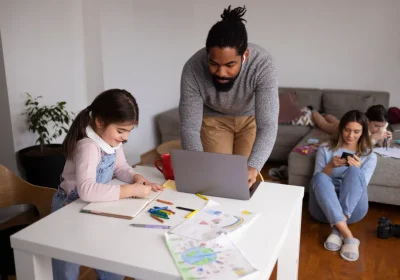

In the digital era, screen usage has become an integral part of children’s daily lives—whether for education, communication, or entertainment. While technology enhances learning opportunities, excessive and unregulated screen time can negatively affect a child’s cognitive development, physical health, and emotional well-being.
The Role of Parents and Schools
Effective screen time management requires collaboration between parents and educational institutions. With the support of a Parent-School ERP system, schools can guide families, share digital policies, and ensure consistent routines both at home and in the classroom.
1. Establish Structured Screen Time Policies
Consistency is key when managing screen usage.
Best practices include:
- Defining daily screen time limits based on age groups
- Differentiating between academic and recreational screen time
- Creating a daily schedule that balances study, play, and rest
Schools can support this by sharing recommended guidelines and integrating screen time awareness into student programs.
2. Emphasize Educational and Purpose-Driven Usage
Screen time should contribute to learning and skill development.
Encourage usage for:
- Online classes and academic research
- Skill-building applications (coding, problem-solving, creativity)
- Collaborative learning platforms
3. Implement Screen-Free Zones and Digital Discipline
Creating boundaries improves focus and reduces dependency.
Recommended practices:
- No device usage during meals or family time
- Restrict screens in bedrooms, especially at night
- Encourage digital detox periods during the day
4. Promote Physical Activity and Real-World Interaction
A balanced routine must include offline engagement.
Encourage children to:
- Participate in sports and outdoor activities
- Engage in reading and creative hobbies
- Spend quality time with family and peers
5. Parental Monitoring and Guidance
Active involvement ensures safe and meaningful screen usage.
Key actions:
- Monitor the type of content children consume
- Use parental controls where necessary
- Discuss online experiences openly
ERP platforms can assist by providing communication tools between parents and teachers regarding student behavior and progress.
How a Parent-School ERP System Supports Healthy Screen Habits
Modern ERP solutions play a crucial role in digital discipline by enabling:
- Centralized Communication: Seamless interaction between parents and teachers
- Homework & Assignment Tracking: Reduces unnecessary screen exposure
- Performance Monitoring: Keeps children focused on academic goals
- Notifications & Alerts: Helps manage time effectively